In the end, it might be a scratch that kills you
Many of us are living a bonus life (or two) because of modern medicine

I’m going to keep this one short, as I’m recovering from an emergency surgery.
While the entire process isn’t enjoyable, it was a rather routine laparoscopic procedure to fix a simple problem. That is, a simple problem in 2026.
In a different time I would have died in agony.
This got me wondering: how many times should I have died by now, were it not for modern medicine?
Many of us are likely living a bonus life or two, generously provided by antibiotics, vaccines, sanitation, or surgical intervention.
As civilization erodes, those in the privileged world will too need to make hard choices about who receives medical care and who doesn’t. Many envision collapse as roving hordes, war, and famine. Yet, for many of us death could be far less dramatic. We’ve forgotten how vulnerable we are to mother nature’s quirks. With resources strained, modern medicine gets rationed or is simply unavailable.
We can grow food, clean water, and build a fortress but in the end, without modern medicine, even the best prepared might get taken out a blood infection caused by a scratch.
Below are examples of routine medical issues in 2026 that would have been universally fatal before the advent of modern medicine.
- Prior to abdominal surgery and sterile technique, a ruptured appendix caused peritonitis and septic shock with a mortality rate exceeding 50% to 70%.
- A simple scratch or dental abscess frequently introduced bacteria directly into the bloodstream, progressing to fatal sepsis.
- Juvenile-onset diabetes resulted in progressive ketoacidosis, organ failure, and death, usually within months of symptom onset.
- A breech baby could cause uterine rupture, hemorrhage, or sepsis, causing death.
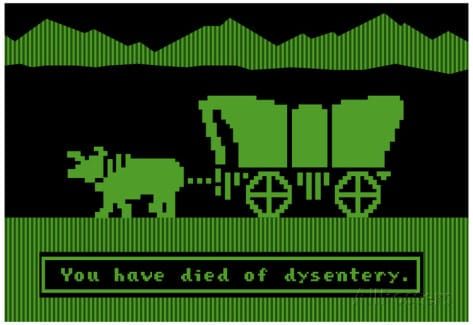
- Diarrhea or dysentery would kill by draining liters of fluid and electrolytes within hours.
- Eye ulcers or trauma could spread infection to the brain, causing fatal meningitis.
- Hernias could choke bowels cutting off blood supply, causing gangrene and fatal peritonitis.
- Postpartum hemorrhage or blunt trauma bleeding caused irreversible hemorrhagic shock.
- Untreated infection in the middle ear often eroded through the thin bone of the mastoid into the braincase, causing brain abscesses or meningitis.
I’m sure you can think of many more examples.
This leads to another question I’d like to leave you with: Would we have been able to solve these medical issues in the first place were it not for industrial civilization?
You can help me by liking, sharing, or subscribing. None of my content is behind a paywall because I want it available to all. However, paid subscriptions help support my research and writing.
If you find this article interesting or helpful, you can also support without committing to subscription by making a one-time contribution.